In the early years of life, a child’s brain develops at an incredible pace. Every sound, word, and interaction plays a role in shaping how they learn and understand the world.
While visual stimulation often gets the most attention, audio learning is just as important—especially during early childhood. From listening to stories and music to engaging with spoken language, audio experiences help build essential skills that support lifelong learning.
In this guide, we’ll explore why audio learning matters and how it supports your child’s development in simple, meaningful ways.
What Is Audio Learning?
Audio learning refers to learning through listening. This includes:
- Stories and audiobooks
- Songs and nursery rhymes
- Spoken instructions or conversations
- Sound-based play and exploration
Unlike passive screen time, audio learning encourages children to actively imagine, process, and respond to what they hear.
How Audio Learning Supports Brain Development
During early childhood, the brain is highly responsive to sound and language. Listening activities help strengthen neural connections that are essential for learning.
Here’s how audio learning supports brain development:
- Builds neural pathways: Repeated exposure to sounds and words strengthens connections in the brain
- Enhances memory: Listening requires children to retain and process information
- Supports attention skills: Audio encourages focused listening without visual distractions
Even simple activities like listening to stories daily can have a lasting impact.
Language and Communication Skills
One of the biggest benefits of audio learning is language development.
- Vocabulary Growth: Hearing new words in context helps children understand and remember them
- Pronunciation and Rhythm: Songs and stories teach natural speech patterns
- Listening Skills: Children learn to follow instructions and understand meaning
- Conversation Skills: Audio experiences encourage children to respond and interact
The more children hear language, the more confident they become in using it.
Encouraging Imagination and Creativity
Unlike screens, audio doesn’t provide visuals—this is actually a major advantage.
When children listen to a story, they:
- Imagine characters, settings, and actions
- Create their own mental images
- Engage more deeply with the content
This kind of imaginative thinking is essential for creativity and problem-solving later in life.
Building Focus and Independent Play
Audio learning also helps children develop concentration and independence.
- Longer attention spans: Listening requires sustained focus
- Independent engagement: Children can listen and play at the same time
- Reduced overstimulation: No fast-changing visuals or distractions
Audio can act as a gentle companion during independent play, helping children stay engaged without constant input from parents.
Audio vs. Screen Time
Many parents wonder how audio compares to screen-based learning.
Here’s a simple comparison:
- Screens: Often passive, visually stimulating, and can lead to overstimulation
- Audio: Active, imagination-driven, and supports deeper cognitive engagement
While screens can have their place, audio offers a more balanced and development-friendly alternative—especially in the early years.
How to Introduce Audio Learning at Home
You don’t need a complicated setup to get started.
- Start with Short Sessions: Begin with a few minutes of stories or songs
- Create Routine Moments: Use audio during playtime, car rides, or bedtime
- Combine with Play: Let your child listen while drawing, building, or exploring
- Repeat Favorites: Repetition helps reinforce learning
- Choose Age-Appropriate Content: Keep it simple and engaging
Consistency matters more than duration.
Making Audio Learning Part of Everyday Life
Audio learning works best when it becomes part of your daily routine.
- Morning: Gentle songs to start the day
- Playtime: Stories that encourage imagination
- Quiet time: Calming audio for relaxation
- Bedtime: Soothing stories or music
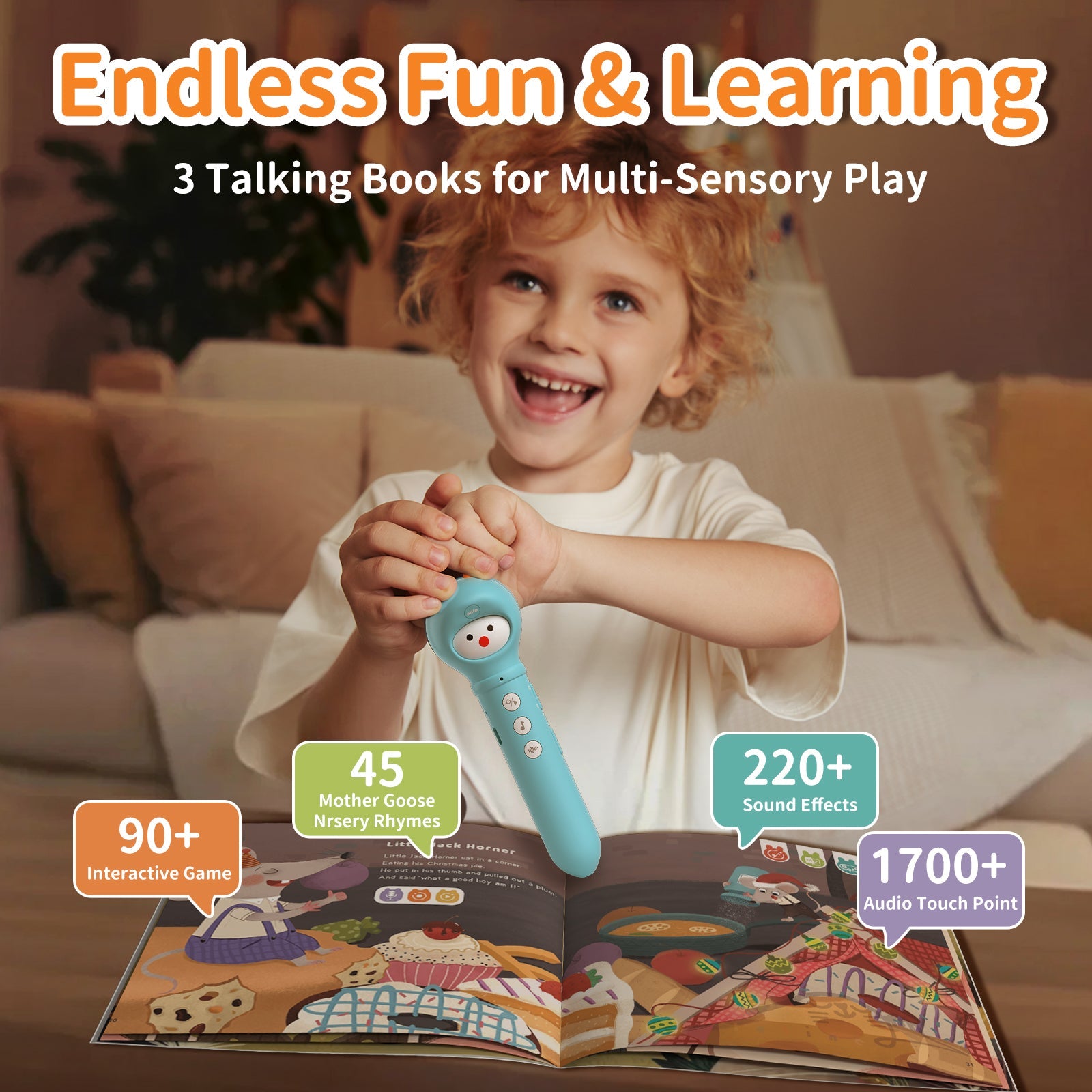
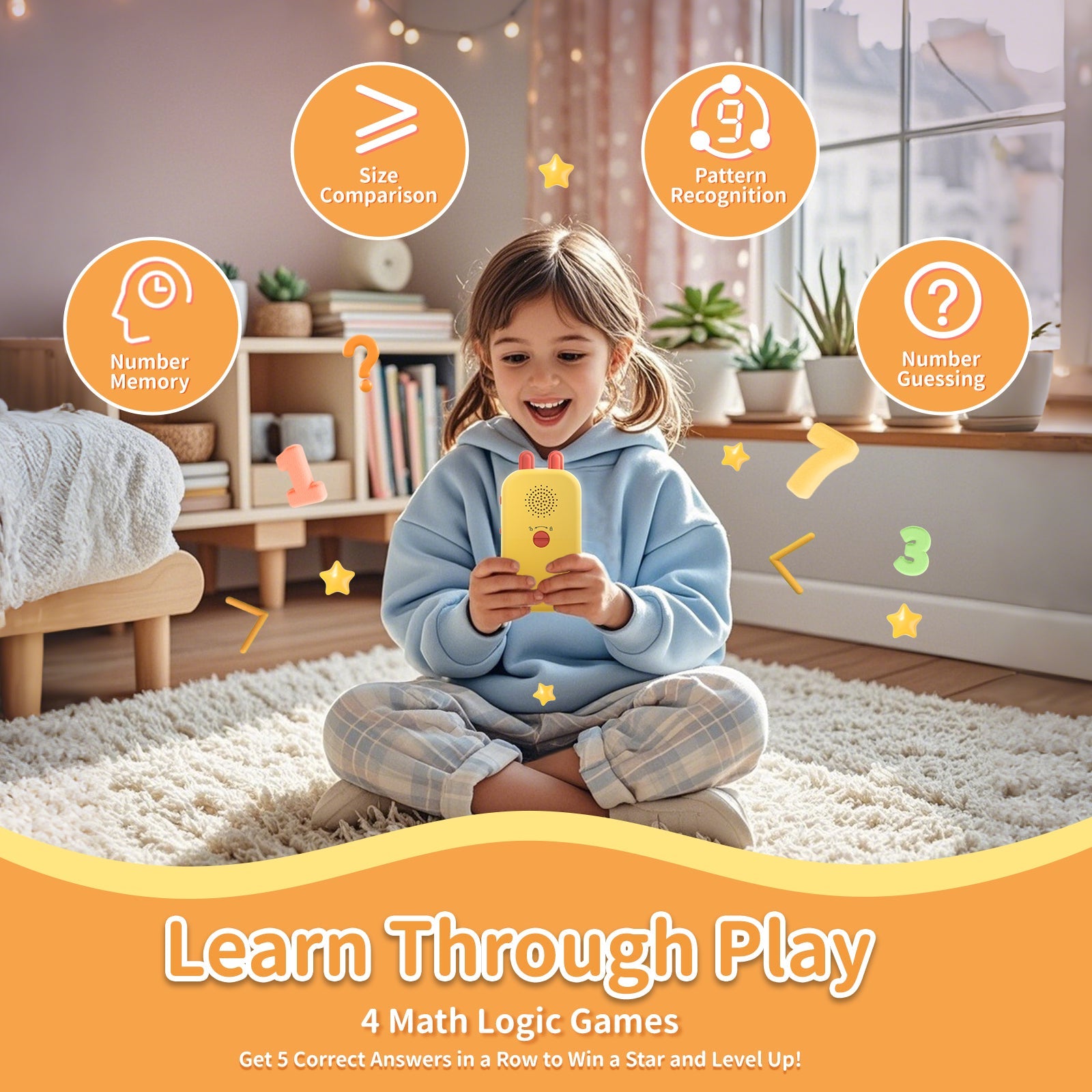
Tools like interactive audio companions can make it easier to bring stories, music, and learning into everyday moments—without relying on screens.
Conclusion
Audio learning plays a powerful role in early childhood development. By supporting language, imagination, focus, and independent play, it helps build a strong foundation for lifelong learning.
The best part? It’s simple, flexible, and easy to integrate into everyday life.
By incorporating more listening-based activities into your child’s routine, you’re creating meaningful learning experiences that go far beyond the screen.
Looking for an easy way to bring audio learning into your child’s day? Explore Smarty Bunny to support stories, music, and early learning—anytime, anywhere.
FAQs
What is audio learning for children?
Audio learning involves learning through listening, including stories, songs, and spoken interactions that support development.
Is audio learning effective for toddlers?
Yes, audio learning supports language development, listening skills, and imagination, making it highly effective for toddlers.
How is audio better than screen time?
Audio encourages active thinking and imagination, while screens can sometimes lead to passive consumption and overstimulation.
When should I start audio learning with my child?
You can start from infancy. Even newborns benefit from hearing voices, music, and simple stories.

Share and get 5% off!
Simply share this product on one of the following social networks and you will unlock 15% off!